
Digital Readiness
First, we understand the organisation's current technology, systems, processes and skills, before deciding what should change.
Digital transformation in Namibia
The Challenge
Organisations often introduce websites, software, computers and digital tools at different times, without considering how they should eventually work together.
As a result, people repeat information, copy data between systems and keep old processes, despite new technology.
Therefore, digital transformation looks at the wider environment and asks what needs to change across technology, systems and people.
Transformation Areas

First, we understand the organisation's current technology, systems, processes and skills, before deciding what should change.
Finding manual or disconnected processes, so that better systems and digital workflows can replace them.
Connecting websites, software, infrastructure and digital tools, so they work as one environment.
Moving services, information and interactions into digital channels, especially where people struggle to reach them today.
Support for the people who must adopt the new systems, because change fails without them.
Building toward a lasting technology environment, rather than treating every digital problem as a separate project.
The Bigger Picture
A new platform may solve very little if the process behind it remains inefficient. Similarly, better infrastructure creates little value if employees cannot use the new systems confidently.
So lasting transformation looks at several connected layers of the organisation.
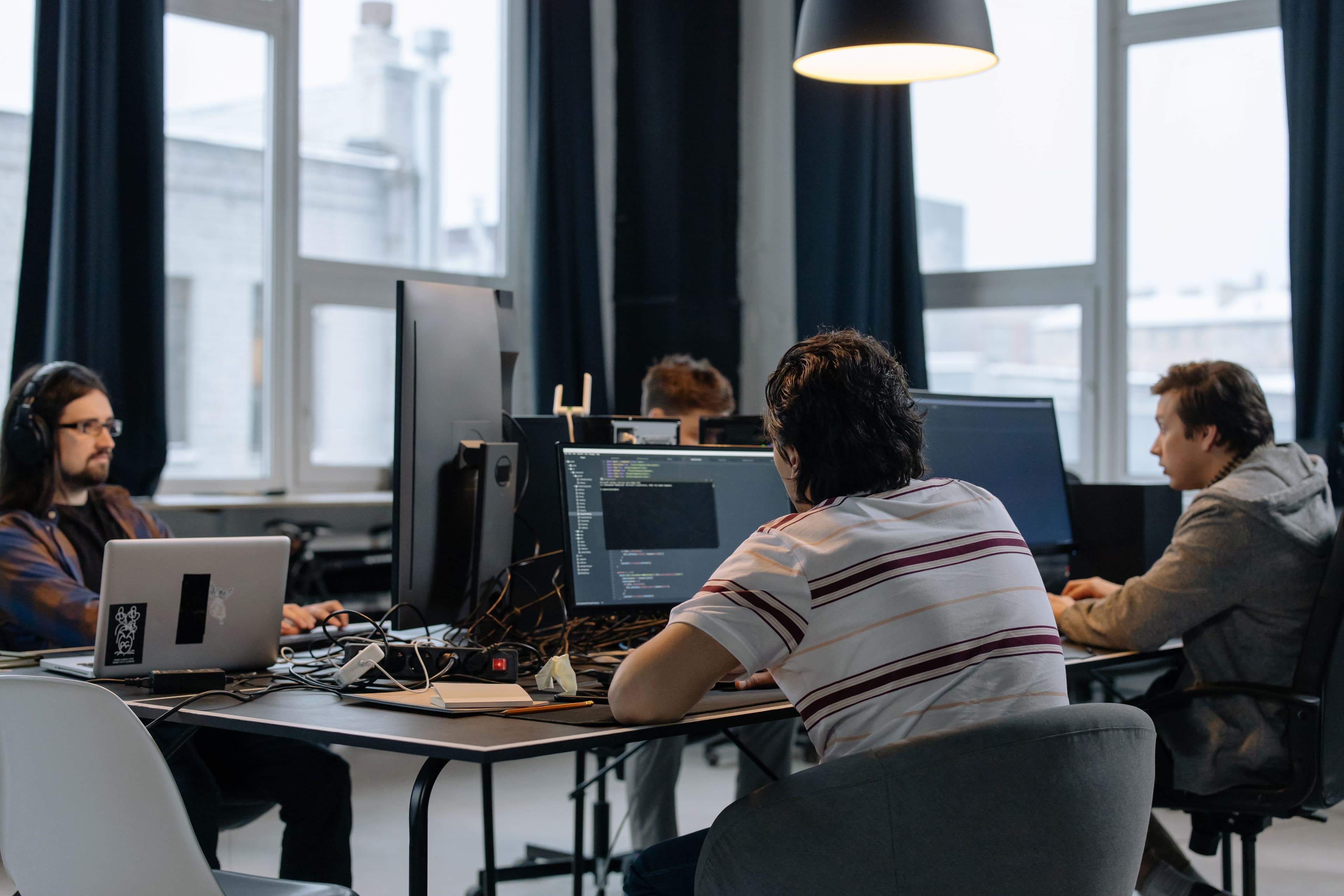
ADA Working Together
Public websites and portals from ADA Web, so that people can reach information and services online.
Networks, equipment and connectivity, because the digital environment runs on them.
Internal systems, automation and dashboards, including applications built around your processes.
Training and capacity building, so people adopt the new technology with confidence.
Transformation With Direction
Instead, strong transformation identifies the changes that matter most, understands what they depend on and moves forward in deliberate stages.
How ADA Approaches Transformation
First, we look at how the organisation operates today, which systems it already uses and what limits progress.
Not everything needs to change at once. Instead, we identify the highest-impact gaps and dependencies first.
Then the solution combines Web, Tech, Software, Marketing, Academy or Consulting skills, depending on the objective.
Finally, systems, processes and people change in deliberate stages, instead of one massive change.

Build for What Comes Next
Organisations do not need to become fully digital overnight. What matters is creating systems that can evolve instead of repeatedly starting again.
ADA's long-term model follows that idea, so technology, software, infrastructure, communication and learning grow together.
Explore all ADA solutions →Know You Need to Modernise?